
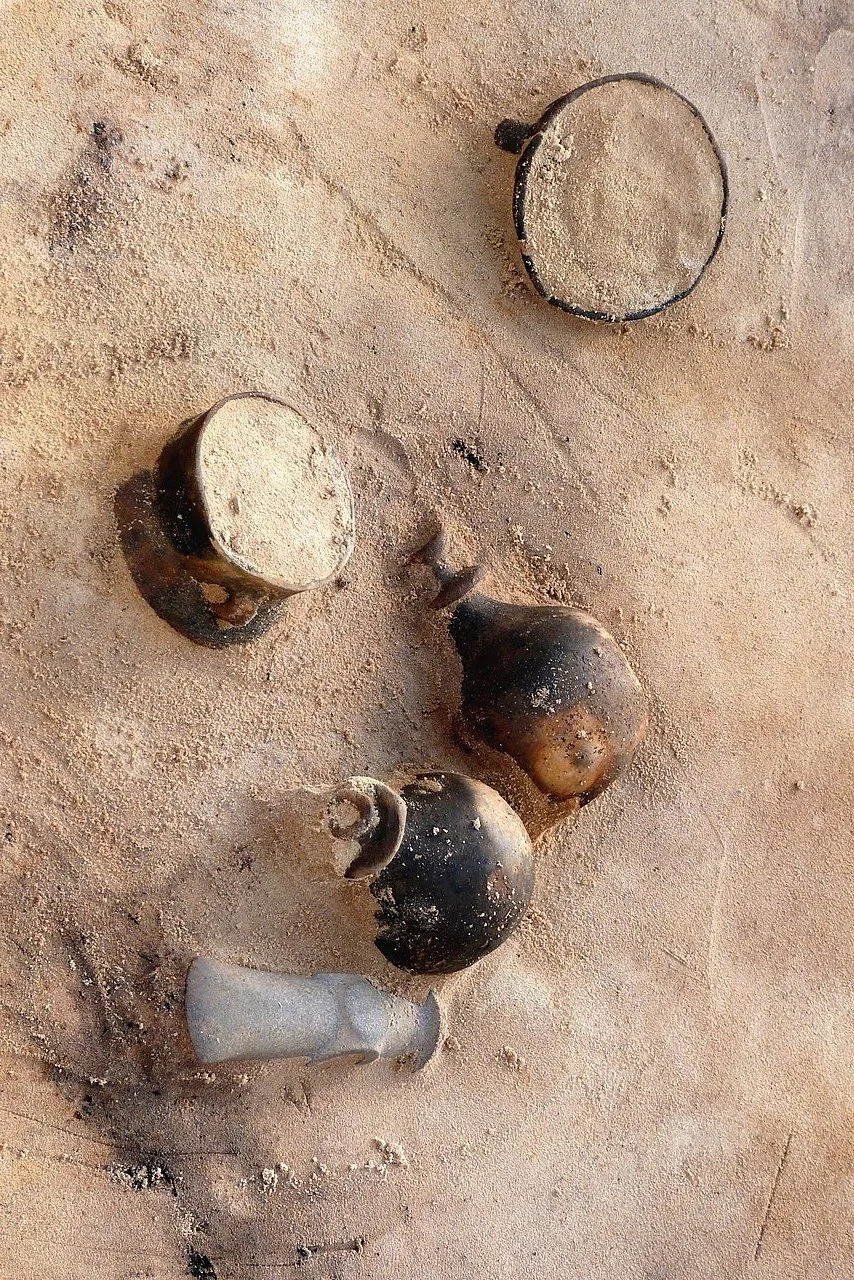
Niko Hafkenscheid - archeologie van het geluid
(nl)
Niko Hafkenscheid is actief als muzikant, performer en maker binnen het internationale kunstenveld. Zijn praktijk heeft zich ontwikkeld door talrijke samenwerkingen, onder meer met Meg Stuart, Philip Gehmacher, Su-Mei Tse, Pablo Castilla & Hedvig Biong en Valentina Stepanova. Zijn werk is consequent transdisciplinair en onderzoekt de symbolen en betekenislagen binnen kunstvormen en hun tradities.
De afgelopen jaren richt hij zich op de rol van sporen als dragers van geschiedenis. Hij probeert de onvatbare, haast 'fictieve' werkelijkheid van het verleden naar het heden te brengen en deze te activeren als een bron van frictie. Dit kwam recent o.a. tot uiting in een project rond vergeten fascistische architectuur en epigrafie in Italië en in een lokaal Brussels project waarin hij de esthetiek en symboliek van liefdadigheid onderzoekt, zoals die tot uitdrukking komt in hagiografische glas-in-loodramen van gemeentelijke kerken in Brussel.
De laatste jaren ligt de focus van Niko Hafkenscheid op kleinschalig solo-werk met een bijzonder bewustzijn voor de duurzaamheid en wendbaarheid van de kunstenaarspraktijk, en met een nadruk op kritische participatie rond historische, filosofische en diepmenselijke thema's. Onderzoek eist ook geregeld een plaats op in zijn praktijk. De ervaring leert hem dat een praktijk zonder omgewoelde voedingsbodem armer wordt. Zonder de mogelijkheid af en toe thematisch in de diepte te gaan, dreigt allicht ook routine.
Zijn werk bevindt zich tussen verschillende disciplines in, met vaak ongewone combinaties tussen muziek, beeldende kunst, documentair theater, film en ruimtelijke vormgeving. Hierdoor is het niet meteen onder te brengen in vaste categorieën. De voorbereidingstijd in de aanloop naar Winternights is de voortzetting van zijn onderzoek rond archeologie van het geluid, dat een aantal geleden in de Academia Belgica in Rome startte. Hij werkt met een onderzoeksbeurs van de Vlaamse Gemeenschap die hij kreeg om te werken rond de rol van de dramaturgie van de rouw in hedendaagse crematoria in Vlaanderen.
(en)
Niko Hafkenscheid is active as a musician, performer, and creator within the international arts scene. His practice has evolved through numerous collaborations, including those with Meg Stuart, Philip Gehmacher, Su-Mei Tse, Pablo Castilla & Hedvig Biong, and Valentina Stepanova. His work is consistently transdisciplinary, exploring the symbols and layers of meaning embedded within various art forms and their traditions.
In recent years, he has focused on the role of traces as carriers of history. He seeks to bring the elusive, almost 'fictional' reality of the past into the present, activating it as a source of friction. This has recently manifested in projects such as an exploration of forgotten fascist architecture and epigraphy in Italy, as well as a local Brussels-based project examining the aesthetics and symbolism of charity—as expressed through hagiographic stained-glass windows in municipal churches across Brussels.
Lately, Niko Hafkenscheid’s focus has shifted toward small-scale solo work, characterized by a keen awareness of the sustainability and agility of an artistic practice, with an emphasis on critical engagement with historical, philosophical, and deeply human themes. Research also frequently plays a central role in his work; he has found that a practice lacking a well-tilled foundation becomes impoverished. Without the opportunity to occasionally delve deep into specific themes, there is a risk that one’s work might simply lapse into routine.
His work occupies the space between various disciplines, often forging unconventional combinations of music, visual art, documentary theater, film, and spatial design—making it difficult to pigeonhole into fixed categories. The preparatory period leading up to Winternights is a continuation of his research into the archaeology of sound, which began some time ago at the Academia Belgica in Rome. He is working with a research grant from the Flemish Community, awarded to him to explore the role of the dramaturgy of mourning within contemporary crematoria in Flanders.